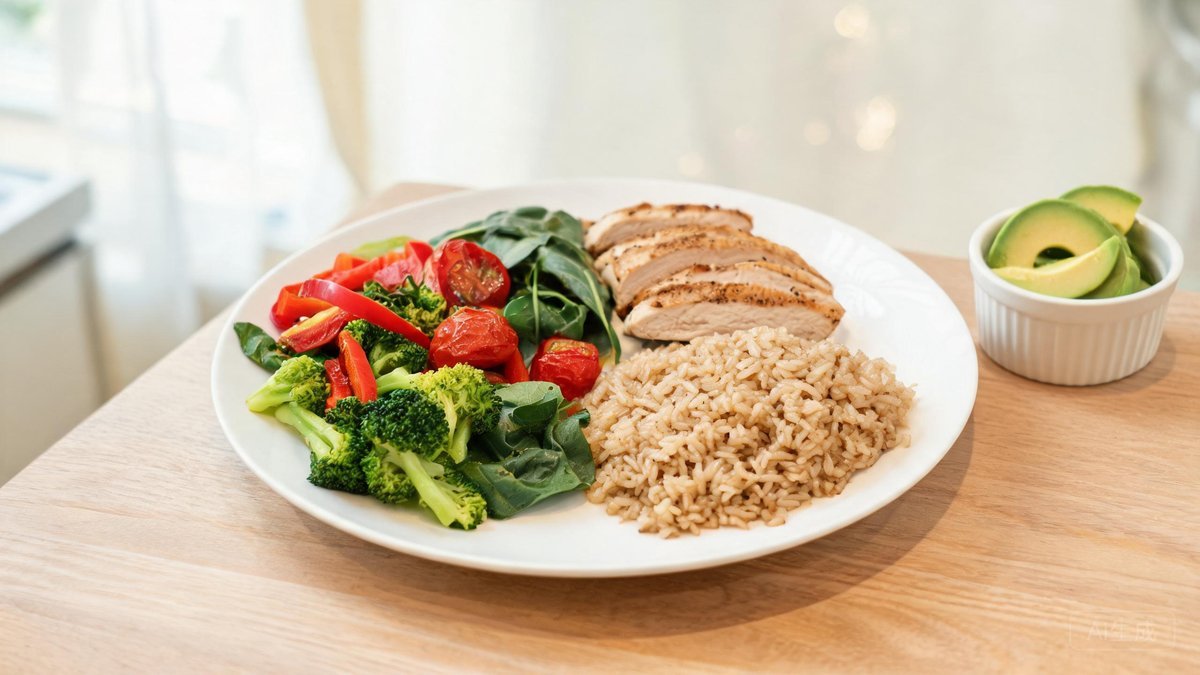
Meal planning is one of the most effective tools for anyone looking to eat healthier, save money, and reduce the daily stress of deciding what to cook. Research consistently shows that people who plan their meals consume more fruits and vegetables and maintain a more balanced macronutrient intake.
The foundation of effective meal planning starts with understanding your weekly rhythm. Look at your calendar before you look at your cookbook. Which nights are busy? Those are the nights for quick meals, sheet pan dinners, or slow cooker recipes.
A well-structured meal plan balances variety with practicality. Most households rotate through a core set of ten to fifteen recipes that everyone enjoys. Building this rotation is an ongoing process.
Grocery shopping becomes dramatically more efficient when guided by a meal plan. Instead of wandering aisles, you shop from a list derived from specific recipes. This reduces food waste, lowers grocery bills, and eliminates the dread of having no plan.
Batch cooking and ingredient prep make meal planning much more effective. Spending two to three hours on a Sunday prepping ingredients means weekday meals come together in minutes.
Meal prep containers and storage strategies play a surprisingly significant role in meal planning success. Investing in a set of uniform glass containers in portion-appropriate sizes makes it easy to pack lunches and store prepped ingredients.